Notice: Function WP_Scripts::add was called incorrectly. The script with the handle "ekit-behance-feed-script-handle" was enqueued with dependencies that are not registered: elementor-editor. Please see Debugging in WordPress for more information. (This message was added in version 6.9.1.) in /var/www/hertson/wp-includes/functions.php on line 6131
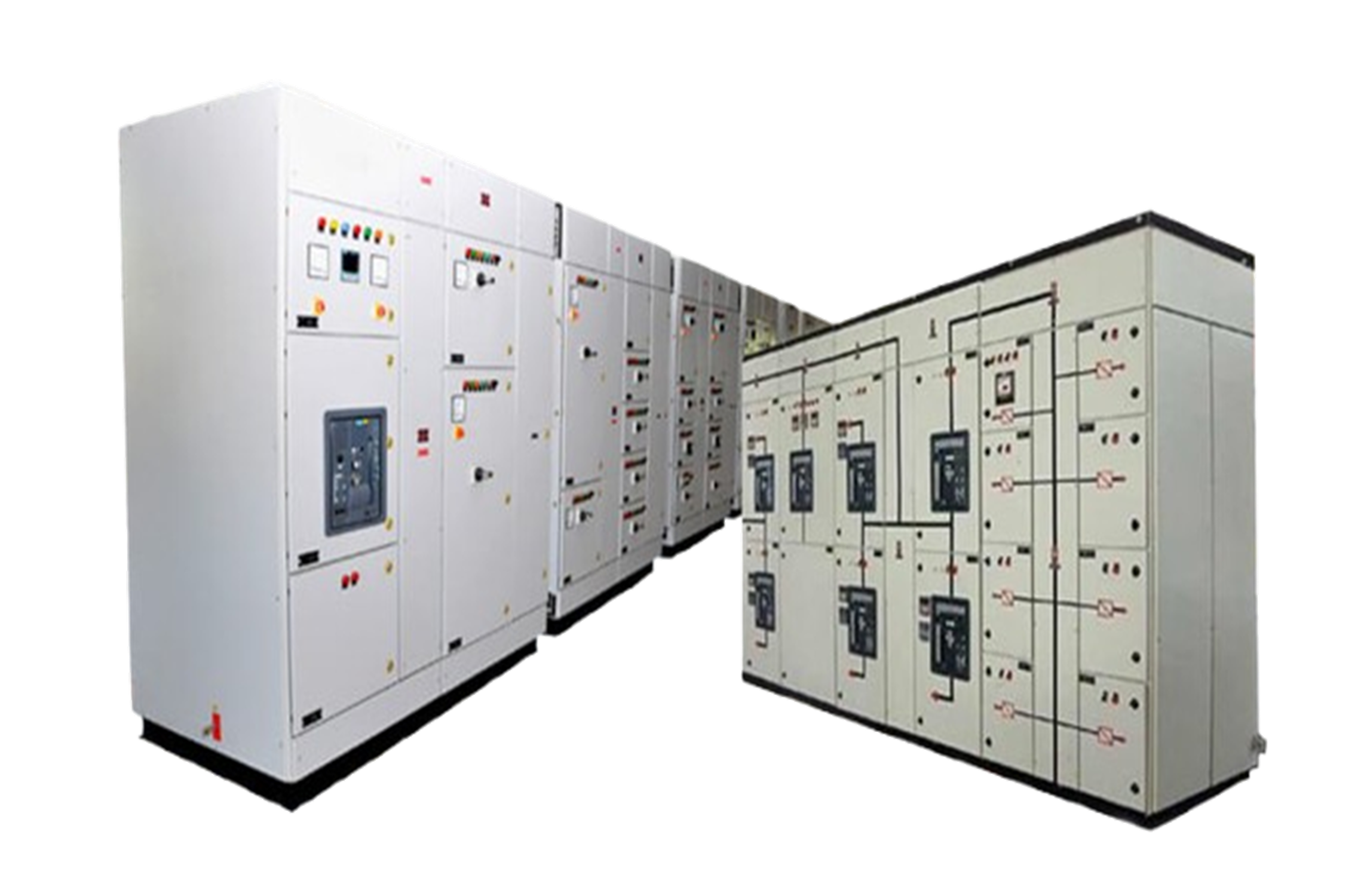
It is an advanced automation solution designed for managing complex, large-scale industrial processes that require high reliability, continuous control, and precision. It operates by distributing control tasks across multiple controllers located near the process equipment, all connected via a central communication network. This decentralized approach enhances fault tolerance, minimizes downtime, and ensures seamless coordination between different sections of a plant. DCS systems are commonly used in industries such as oil and gas, petrochemicals, pharmaceuticals, and power generation, where stable and continuous control is critical.
Advantages of DCS include
High reliability and redundancy
2.Real-time process control and monitoring
3.Better control over continuous and batch processes
4.Integrated human-machine interface (HMI)
5.Scalability and ease of expansion
Applications of DCS
1.Chemical and petrochemical plants
2.Power plants and substations
3.Pharmaceutical manufacturing
4.Pulp and paper industry
5.Food and beverage processing
Supervisory Control and Data Acquisition (SCADA) system
It is primarily used for monitoring and controlling processes that are spread over large geographical areas. SCADA systems collect real-time data from remote terminal units (RTUs) or programmable logic controllers (PLCs), transmitting this data back to a central control station. Operators use this data to supervise operations, make decisions, and occasionally send control commands back to the field. SCADA is ideal for infrastructure systems like water distribution, electrical grids, oil pipelines, and transportation networks, where real-time data visibility and remote control are essential.
Advantages of SCADA include
1.Chemical and petrochemical plants
2.Power plants and substations
3.Pharmaceutical manufacturing
4.Pulp and paper industry
5.Food and beverage processing
Applications of SCADA
1.Water and wastewater treatment plants
2.Electric power transmission and distribution
3.Oil and gas pipeline monitoring
4.Traffic control and railway systems
5.Renewable energy farms (solar, wind)
While DCS and SCADA serve different operational needs, they are both integral to modern industrial automation. DCS is best suited for centralized, process-heavy environments, while SCADA excels in monitoring and controlling remote, geographically dispersed operations. Increasingly, industries are integrating both systems for enhanced flexibility, efficiency, and performance across all levels of control.