DCS & SCADA Systems for Various Control & Monitoring Applications

  1. Home
  2. Our Products
  3. DCS & SCADA Systems

DCS & SCADA Systems for
Various Control & Monitoring
Applications

  1. Home
  2. Our Products
  3. DCS & SCADA Systems

A Distributed Control System (DCS)

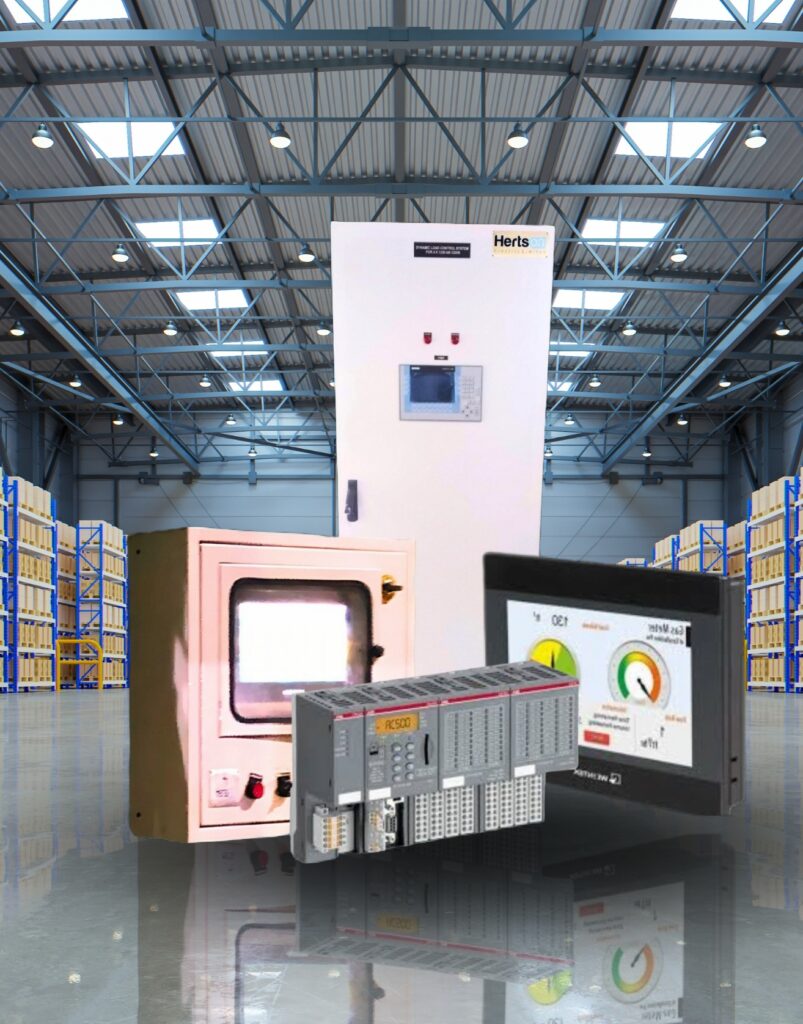
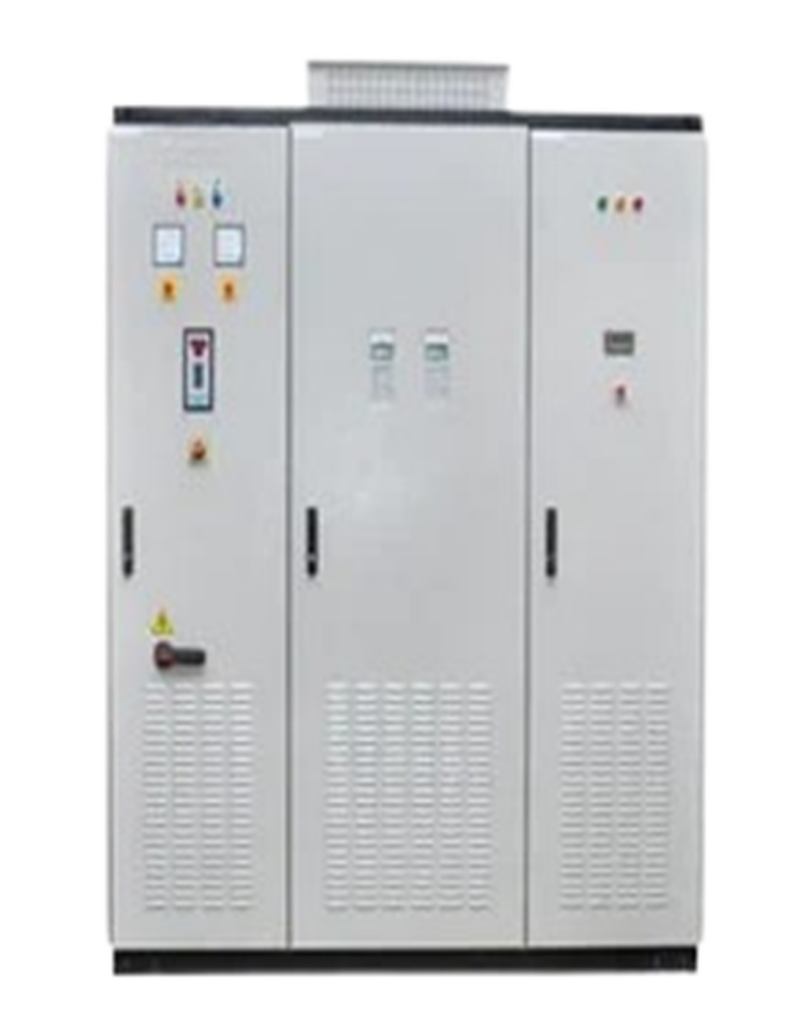
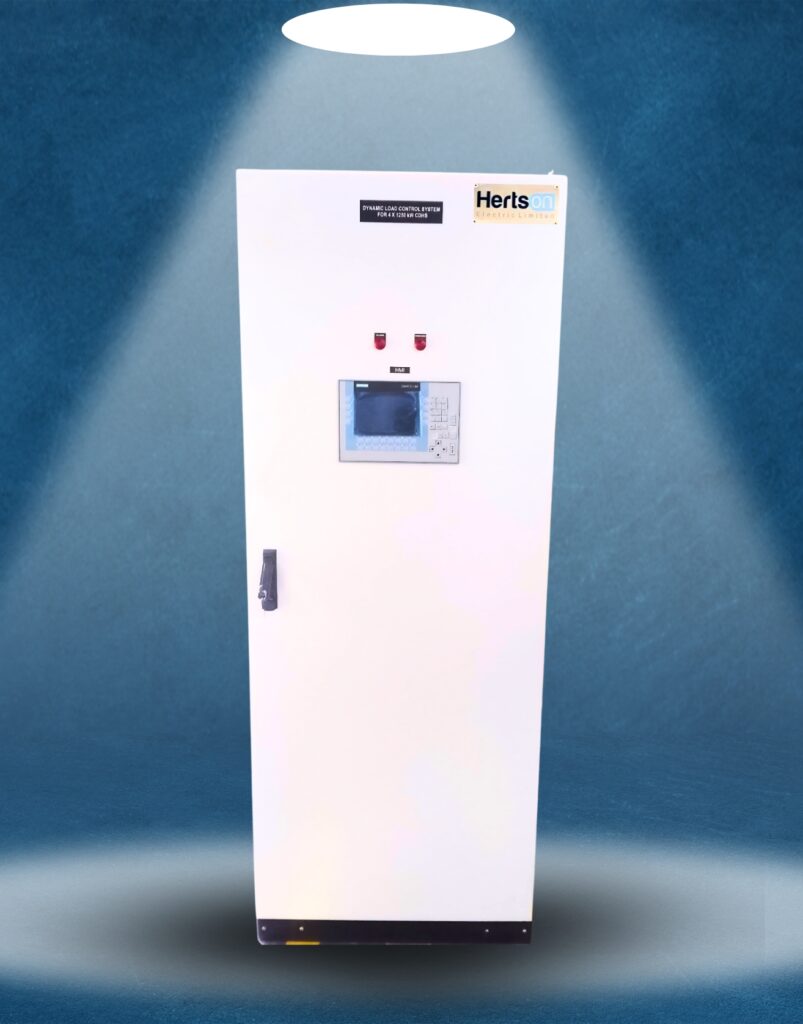
It is an advanced automation solution designed for managing complex, large-scale industrial processes that require high reliability, continuous control, and precision. It operates by distributing control tasks across multiple controllers located near the process equipment, all connected via a central communication network. This decentralized approach enhances fault tolerance, minimizes downtime, and ensures seamless coordination between different sections of a plant. DCS systems are commonly used in industries such as oil and gas, petrochemicals, pharmaceuticals, and power generation, where stable and continuous control is critical.

System Range and Machine Capacity

Voltage

230V AC / 24V DC

Frequency

50Hz or 60Hz

Machine Capacity

Form 8 I/O's to 1000 I/O's

Integrated Control and Monitoring with DCS & SCADA

            The DCS and SCADA systems work together to enable efficient industrial automation by combining real-time process control with centralized monitoring and data acquisition. DCS handles complex, continuous control across multiple subsystems, while SCADA provides high-level oversight, remote access, and data visualization.

Centralized Control & Remote Supervision

DCS controls complex processes from one place, while SCADA lets operators monitor and manage systems remotely.
High Availability & Real-Time Insights

Both systems run reliably with backup features and provide live data for quick decisions.

Advanced Optimization & Communication

DCS improves process accuracy, and SCADA connects easily with field devices to gather important data.

Scalable for Industrial & Utility Applications

Ideal for industries like power, oil & gas, and water treatment, these systems grow with your needs and improve overall automation.


Advantages of DCS include

High reliability and redundancy

Real-time process control and monitoring

Better control over continuous and batch processes

Scalability and ease of expansion

Applications of DCS & SCADA

While DCS and SCADA serve different operational needs, they are both integral to modern industrial automation. DCS is best suited for centralized, process-heavy environments, while SCADA excels in monitoring and controlling remote, geographically dispersed operations. Increasingly, industries are integrating both systems for enhanced flexibility, efficiency, and performance across all levels of control.

Advantages of SCADA include

Chemical and petrochemical plants

Power plants and substations

Pharmaceutical manufacturing

Pulp and paper industry

Applications of SCADA

While DCS and SCADA serve different operational needs, they are both integral to modern industrial automation. DCS is best suited for centralized, process-heavy environments, while SCADA excels in monitoring and controlling remote, geographically dispersed operations. Increasingly, industries are integrating both systems for enhanced flexibility, efficiency, and performance across all levels of control.

Features of the system